
If your grocery bill suddenly feels higher every week, you’re not imagining it. Millions of Americans are noticing the same thing in 2026 — and it’s starting to hit household budgets hard. Grocery prices in the US are rising again in 2026, and many families are feeling the impact on their monthly budget.
It’s the conversation happening in every checkout line from Maine to California. You pick up a gallon of milk, a dozen eggs, and a pack of ground beef, and suddenly your total is $10 higher than it was just a few months ago. After a brief period where it felt like inflation was finally cooling down, 2026 has brought a new wave of “sticker shock” to the supermarket aisles.
In this deep dive, we’re breaking down exactly what’s happening at your local grocery store, why your wallet is feeling the pinch, and—most importantly—how you can fight back to keep your family fed without breaking the bank.
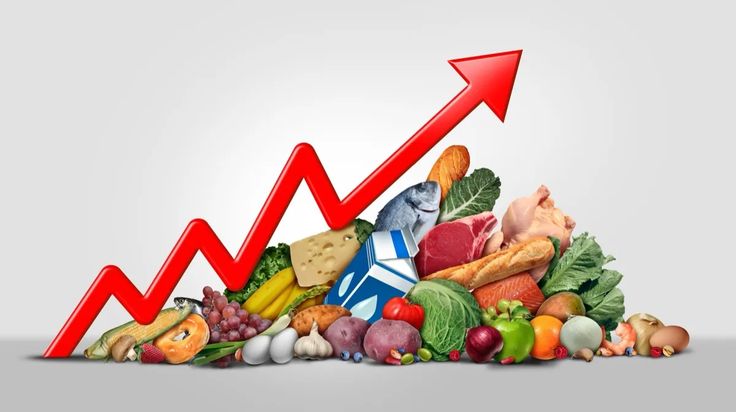
Table of Contents
1. What’s Happening: The 2026 Price Surge
If it feels like the numbers on the digital screens are ticking upward, that’s because they are. According to the latest data from the USDA (United States Department of Agriculture), food prices US 2026—the technical term for groceries—are projected to rise by about 2.5% to 3.1% this year.
While that might sound like a small number on paper, it’s a “sneaky” kind of inflation. It doesn’t happen all at once; it’s a few cents here and a dollar there. However, some items are hitting much harder than others.
“Quick Snapshot (2026 Grocery Price Changes)”
Example:
- Beef prices ↑ up to 20%
- Coffee ↑ around 5%
- Sugar & snacks ↑ up to 10%
- Eggs ↓ nearly 40%
The “Big Hitters” in Your Cart
Not every aisle is seeing the same increases. Here is a look at what’s driving the bill up:
- Beef and Veal: These have seen some of the sharpest jumps, with ground beef prices climbing over 20% in some regions compared to last year.
- Sweets and Snacks: Sugar and sweets are expected to rise by nearly 7% to 10% this year. That afternoon chocolate bar or your child’s favorite cereal is officially a luxury item.
- Drinks: Non-alcoholic beverages, especially coffee, are seeing a 5% hike, mostly due to global supply issues.
The Good News (Yes, There Is Some!)
It isn’t all bad news. Eggs, which were the “gold bars” of the grocery store a couple of years ago, have actually seen a massive price drop—down nearly 40% from their previous peaks. Potatoes, tomatoes, and bread have also remained relatively stable or even slightly cheaper in early 2026.
2. Why Grocery Prices in the US Are Rising in 2026
Rising grocery prices are becoming a major concern across the US, especially as families are already dealing with higher rent, fuel costs, and daily expenses. Experts believe this trend may continue throughout 2026.
A. The Supply Chain “Buffer” Ran Out
During the early 2020s, companies got used to chaos. They built “buffers” or extra stock to keep prices steady. However, by 2026, those buffers have largely run out. Recent global conflicts, particularly in the Middle East, have tightened shipping routes again. When it takes longer and costs more to get a crate of bananas from a port to your local store, the store passes that cost on to you.
B. The High Cost of Moving Food (Fuel)
Food prices US 2026 doesn’t just appear on shelves; it travels hundreds, sometimes thousands, of miles. While gas prices at the pump for your car might fluctuate, the diesel and jet fuel used by trucks and cargo planes have stayed stubbornly high. Furthermore, electricity costs have risen due to the massive energy demands of new data centers across the US, making it more expensive for grocery stores to keep those giant milk coolers running 24/7.
C. Extreme Weather and Demand
Mother Nature hasn’t been kind to farmers lately. Unusual droughts in some areas and floods in others have hurt crop yields for things like sugar and coffee. At the same time, demand is high. People are eating out less because restaurants have become even more expensive (rising nearly 4% this year), which means everyone is heading to the grocery store at the same time, driving up demand for staples.
3. What It Means for You: The “Hidden” Budget Squeeze
For the average American family, these price hikes aren’t just statistics; they are hard choices. When your monthly grocery bill jumps from $600 to $680, that $80 has to come from somewhere else—usually the “fun” budget, savings, or even utility payments.
The Pressure on Families
- The “Trading Down” Effect: Families are moving away from name brands. That $9 box of name-brand cereal is being replaced by the $4 store-brand version.
- The Rise of “Leftover Culture”: More parents are reporting that they are “cooking once, eating twice.” Large batches of spaghetti or chili are becoming the standard to stretch a single pound of expensive beef across three days.
- Stress at the Checkout: “Grocery anxiety” is a real thing in 2026. Many shoppers are using calculator apps on their phones while they shop to ensure they don’t have a heart-stopping moment when the cashier rings them up.
4. What You Can Do: Smart Shopping Strategies
You can’t control global shipping routes or the price of diesel, but you can control how you navigate the aisles. Here are the best ways to keep your 2026 grocery budget under control:
1. Master the “Unit Price”
Don’t just look at the big number on the tag. Look at the small print that says “Price per Ounce” or “Price per Pound.” Sometimes the “Family Size” box is actually more expensive per ounce than the smaller one.
2. Shop the “Loss Leaders”
Grocery stores usually have a few items every week that they sell at a loss just to get you in the door (like $0.99 strawberries or a cheap rotisserie chicken). Build your meal plan around these “loss leaders” and ignore the expensive displays in the middle of the store.
3. Embrace Frozen and Canned
In US grocery prices 2026, frozen vegetables are often more nutritious than the “fresh” ones that have been sitting on a truck for a week—and they are significantly cheaper. Stock up on canned beans and frozen spinach to bulk up meals for pennies.
4. Use Technology Wisely
Download your store’s app. In 2026, many of the best deals are “digital only” coupons. Taking five minutes to “clip” them on your phone before you walk into the store can save you $10–$20 per trip.
5. Pivot Your Proteins
Since beef is the main driver of inflation right now, try swapping one or two beef meals a week for pork, chicken, or eggs, which have all stayed much more affordable this year.
Final Thoughts
Rising grocery prices may feel overwhelming, but small changes in how you shop can make a big difference. As 2026 continues, staying informed and adapting your habits will be the key to protecting your budget.
Stay tuned for more updates as we continue to track the US grocery prices 2026 economy and how it affects your home!
How to lower your grocery bill in 2026
This video provides practical, real-life habits and shopping strategies specifically designed to help families stretch their food budget and reduce overspending during the 2026 price increases.
You may also like: AI Side Hustles in 2026
Pingback: Mortgage Payments in 2026 : Why Americans Are Falling Behind