
Introduction
Every year, international beauty pageants attract millions of viewers from around the world. While the gowns, stage production, and crowning moments receive most of the attention, the winners often become symbols of something much larger than a competition.
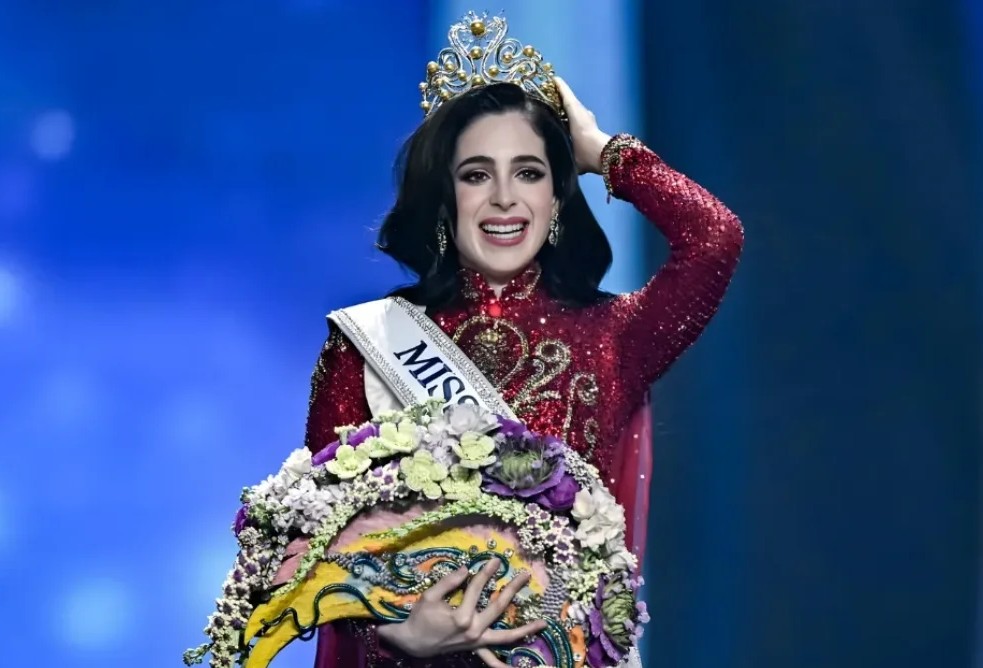
That is exactly what happened when Fátima Bosch of Mexico was crowned Miss Universe 2025.
Her victory was not simply another pageant headline. For many people, it represented a shift in how beauty, confidence, and personal identity are viewed in today’s world. At a time when audiences are increasingly looking for authenticity and meaningful representation, Fátima Bosch connected with viewers in a way that felt genuine and relatable.
Her rise to international recognition sparked conversations about modern beauty standards, cultural pride, social media influence, and the evolving role of global pageants.
Why Fátima Bosch Captured Attention
In an era dominated by viral moments and carefully crafted online personas, Fátima Bosch stood out for a different reason.
Many viewers described her presence as calm, approachable, and authentic. Rather than relying on dramatic performances or controversial headlines, she gained attention through confidence, composure, and thoughtful communication.
Throughout the competition, audiences noticed qualities that extended beyond physical appearance:
- Strong communication skills
- Natural confidence
- Cultural awareness
- Emotional intelligence
- Grace under pressure
These characteristics helped her connect with viewers from different countries and backgrounds.
In many ways, her success reflected what modern audiences increasingly value: substance alongside style.
The Evolution of Beauty Pageants
Beauty competitions have changed significantly over the past few decades.
Years ago, pageants were often criticized for focusing too heavily on physical appearance. Today, major international competitions place greater emphasis on leadership, advocacy, communication, and social impact.
Contestants are now expected to demonstrate:
- Public speaking abilities
- Community involvement
- Cultural awareness
- Professional achievements
- Personal values
This evolution has transformed pageants into platforms where participants can discuss issues that matter to them and inspire audiences beyond the stage.
Fátima Bosch’s success reflects this broader shift.
Her appeal was not based solely on appearance but also on the way she presented herself and communicated her ideas.
The Importance of Representation
One of the reasons her victory generated such a positive response was the sense of representation it provided.
Around the world, people want to see themselves reflected in media, entertainment, and public life. Representation goes beyond appearance—it includes culture, values, experiences, and identity.
For many viewers, Fátima Bosch represented:
- Mexican culture on a global stage
- Modern Latina identity
- Confidence without arrogance
- Ambition combined with humility
Her success reminded audiences that beauty can take many forms and that authenticity often resonates more deeply than perfection.
How Social Media Changed Pageant Culture
The role of social media in modern pageants cannot be ignored.
Platforms such as Instagram, TikTok, YouTube, and X have completely transformed how contestants build public support and engage with audiences.
In previous generations, pageant exposure was largely limited to television broadcasts and magazine coverage.
Today, contestants can share:
- Behind-the-scenes experiences
- Personal stories
- Community projects
- Daily life updates
- Direct interactions with supporters
This level of accessibility allows audiences to develop stronger connections with participants.
Interestingly, Fátima Bosch’s popularity grew through consistency rather than controversy. Her online presence reflected the same qualities that audiences admired on stage—professionalism, warmth, and authenticity.
The Influence of Modern Latina Identity
The conversation surrounding Latina representation has evolved considerably in recent years.
Modern audiences increasingly recognize that there is no single definition of Latina beauty or success. Women from Latin America continue to excel across business, entertainment, education, sports, and public service.
Fátima Bosch’s victory contributed to that ongoing narrative.
She demonstrated that cultural pride and global appeal can exist together. Rather than conforming to outdated stereotypes, she represented a more modern and multidimensional image of Latina women.
This broader representation is important because it helps young people see new possibilities for themselves and their futures.
Why Authenticity Matters More Than Ever
One of the most significant trends across entertainment, media, and public life is the growing demand for authenticity.
Consumers are increasingly skeptical of overly polished public images. They often connect more strongly with individuals who appear genuine and relatable.
This shift can be seen across:
- Social media influencers
- Television personalities
- Athletes
- Entrepreneurs
- Public figures
Fátima Bosch benefited from this trend because audiences perceived her as someone who remained true to herself throughout the competition.
Rather than trying to create a larger-than-life persona, she focused on presenting herself honestly and confidently.
That approach resonated with viewers around the world.
The Cultural Impact of Global Pageants
Despite changing media habits, international pageants continue to attract significant global attention.
Events such as Miss Universe provide opportunities for cultural exchange and international visibility.
Contestants introduce audiences to:
- National traditions
- Cultural values
- Social initiatives
- Community projects
- Personal experiences
These moments help viewers learn about countries and cultures they may know very little about.
For Mexico, Fátima Bosch’s victory became a source of celebration and national pride.
Many supporters viewed her success as a positive representation of their country on a global stage.
What Young Women Can Learn From Her Journey
Perhaps one of the most meaningful aspects of Fátima Bosch’s story is the example it provides for younger generations.
Success in any field often requires more than talent alone. It involves preparation, discipline, resilience, and confidence.
Her journey highlights several valuable lessons:
Confidence Comes From Preparation
Confidence is often misunderstood as something people are born with.
In reality, confidence usually develops through hard work, experience, and consistent effort.
Authenticity Creates Stronger Connections
People are more likely to trust and support individuals who present themselves honestly.
Being genuine can be more powerful than trying to impress others.
Representation Matters
Seeing individuals from similar backgrounds succeed can inspire others to pursue their own goals.
Growth Requires Persistence
Success rarely happens overnight. Behind every achievement are years of dedication and continuous improvement.
The Future of Beauty Competitions
As society continues to evolve, beauty pageants are evolving as well.
Future competitions will likely place even greater emphasis on:
- Leadership
- Social impact
- Community engagement
- Education
- Personal development
Contestants who combine these qualities with strong communication skills and authenticity will continue to stand out.
Fátima Bosch’s success may be viewed as part of this larger transformation.
Her victory reflects changing audience expectations and a growing appreciation for individuals who represent more than outward appearance.
Final Thoughts
Fátima Bosch’s Miss Universe 2025 victory was about more than winning a crown.
It highlighted the changing nature of beauty, representation, and public influence in today’s world. Her journey demonstrated that authenticity, confidence, and cultural pride can resonate just as strongly as glamour and stage presence.
As conversations about identity, representation, and personal empowerment continue to grow, her story serves as an example of how modern public figures can inspire audiences through both character and achievement.
Whether viewed as a pageant winner, cultural ambassador, or role model, Fátima Bosch’s impact extends far beyond a single competition stage.
And that is why her victory continues to resonate with people around the world.
Pingback: The Morgan Geyser Story: Behind the Slender Man Case & Its Real Impact