Introduction to the netflix warner bros Partnership Dynamics
If you’ve been watching the entertainment world over the last few years—and honestly, even if you haven’t—it’s pretty obvious something big has been shifting. The way people watch movies and shows isn’t anything like it used to be. And right in the middle of that shift, you’ve got two names that keep popping up: Netflix and Warner Bros.
Whenever people mention netflix warner bros, there’s this immediate sense of, “Oh, those two must be battling it out.” And sure, sometimes it really does feel like the entertainment equivalent of two giants circling each other in a ring. But the funny thing is, their relationship isn’t that simple. Some days they’re rivals, other days they’re partners, and occasionally, they just coexist in a way that shapes what the rest of the industry ends up doing.
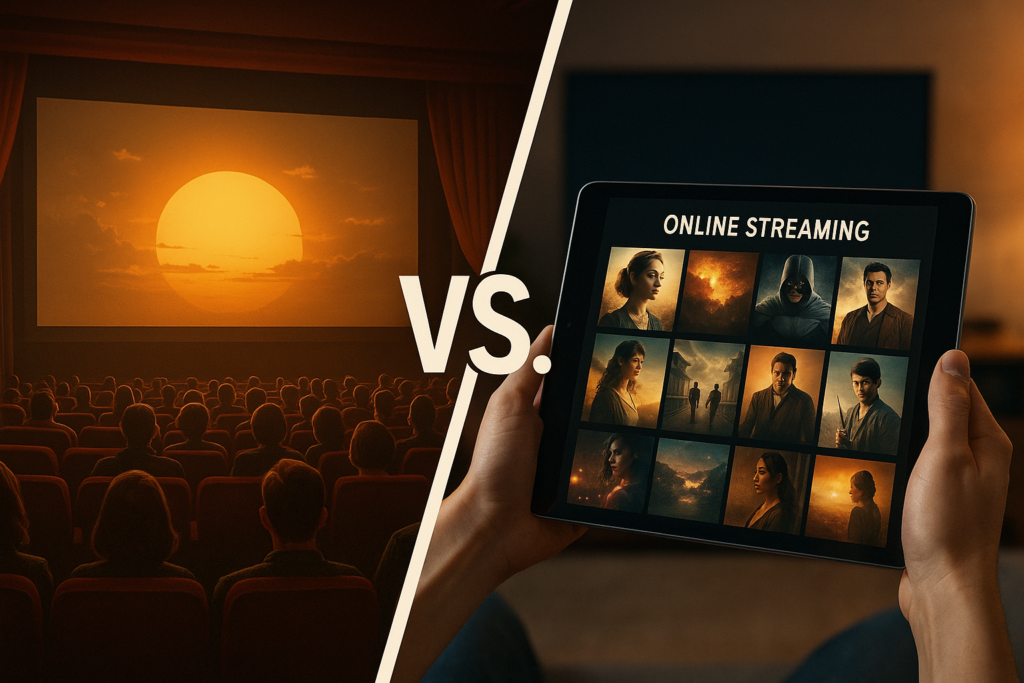
Netflix brings the tech-driven, experimental mindset. Warner Bros carries a century of Hollywood history. Put them in the same space and sparks fly—not always in the dramatic way you’d expect, but in the kind of way that affects how millions of people around the world watch stories unfold on screen.
Contents
The Rise of Netflix: A Streaming Giant’s Journey
From DVD Rentals to Global Dominance
Netflix’s origin story isn’t glamorous. It’s not superheroes and megabudget productions; it’s DVDs in the mail and little red envelopes that piled up in people’s living rooms. When Netflix launched in 1997, nobody—literally nobody—thought it was going to redefine entertainment.
But it did something the old guard didn’t do: it adapted. Constantly.
When online streaming was still just a weird idea floating around the tech world, Netflix leaned into it. And when people realized cable was getting expensive and annoying, Netflix was right there offering something refreshingly simple. Want to watch what you want, when you want? Cool. Here’s a massive library; go wild.
By the time Netflix expanded globally in the mid-2010s, it wasn’t just a platform. It was a habit. It became shorthand for staying in on a Friday night. Shows like Stranger Things and The Crown weren’t just popular—they became part of the cultural conversation. If you didn’t watch them, you felt left out.
Netflix’s Investment in Original Content
Eventually, Netflix realized it couldn’t depend on licensed content forever—especially when the studios that owned those shows started launching their own platforms. So the company did something bold: it built a full-fledged studio from the ground up.
Netflix originals became the backbone of the service. Some were hits, some weren’t, and some were the kind of surprise successes that even Hollywood veterans didn’t see coming. The company leaned heavily on data—what people watched, what they skipped, what they binged in a weekend—and used that information to steer decisions.
That mix of creativity and analytics gave Netflix an edge. Traditional studios had decades of experience, sure, but Netflix had something equally valuable: real-time feedback from millions of viewers. And that shaped storytelling in a way no one had truly done before.
Warner Bros: A Century-Old Studio Reinventing Itself
The Shift Toward Digital Distribution
Warner Bros has been around long enough to witness nearly every major change in entertainment. It’s a studio built on classics—films that people still talk about decades later. But even a powerhouse like that had to face the reality of streaming.
The debut of HBO Max (now just “Max”) was their answer to a world where audiences weren’t glued to cable schedules anymore. Suddenly, fans had access to DC films, timeless Warner Bros movies, childhood favorites, prestige HBO series, and more—all in one place.
Max wasn’t perfect when it launched. Honestly, few platforms are. But Warner Bros kept iterating, adjusting, rethinking. They had to. Audiences weren’t waiting around for the old system to catch up.
Balancing Cinematic Releases & Streaming
What sets Warner Bros apart from Netflix—maybe more than anything else—is its connection to theaters. Netflix lives online. Warner Bros lives, at least partly, on the big screen. Movies like Dune, The Dark Knight, Harry Potter, and Barbie weren’t made just for at-home viewing. They were events.
So Warner Bros has to walk a tightrope. On one side: theatrical releases that rely on big openings and word of mouth. On the other: a streaming platform that needs fresh content to keep subscribers paying. They can’t ignore either one.
Their solution? A hybrid model. Theatrical first, streaming later. It’s not always a perfect formula, but it keeps both traditions alive.
Netflix warner bros: Competition or Collaboration?
Licensing Deals Between The Two Companies
People love to imagine Netflix and Warner Bros as pure rivals, but the truth is way more complicated. Over the years, they’ve worked together in ways audiences don’t always realize. Warner Bros has licensed plenty of shows to Netflix—and sometimes those shows end up bigger than they were originally.
Think about Supernatural. Think about Lucifer. Some DC animated shows, too. They all reached new audiences thanks to Netflix’s global platform.
It’s a simple business exchange, really:
- Warner Bros gets paid
- Netflix gets content people already love
Everyone wins, including viewers.
Big Titles That Traveled Between Platforms
Lucifer is probably the best example of this strange synergy. The show aired on network TV, got canceled, landed on Netflix, and then—almost unbelievably—got renewed because fans wouldn’t stop talking about it. That kind of comeback doesn’t happen without a platform like Netflix, and it doesn’t happen without Warner Bros owning the property in the first place.
Their relationship may not be a partnership in the traditional sense, but it’s definitely an ecosystem.
Impact on Audiences & Global Media Consumption
The Binge-Watching Boom
Netflix shaped an entire generation of viewing habits. Before streaming took over, you’d wait a week between episodes, maybe longer if schedules shifted. Netflix came in and said, “What if we dropped everything at once?” And people loved it.
Warner Bros, via Max, still releases many shows weekly. Some fans adore this slower pace because it gives them time to talk about episodes and make theories. Others prefer to binge. There’s no universal preference anymore—just options.
The Return of Blockbuster Franchises
If there’s one place Warner Bros still dominates effortlessly, it’s franchises. The studio has always excelled at world-building. Whether you’re into wizards, superheroes, sci-fi epics, or reimagined classics, Warner Bros probably has something in its library that changed the genre.
Netflix doesn’t have decades of branded IP to pull from, so it’s been building its own. The Witcher, Extraction, Red Notice—these shows and films are Netflix’s answer to the franchise era.
Content Strategies: How Netflix & Warner Bros Shape Their Libraries
If you ever sit back and really look at the type of content Netflix releases versus what Warner Bros prioritizes on Max, the difference hits you pretty quickly. Netflix feels like this giant global buffet — a bit of everything, from every corner of the world, all thrown together in a way that somehow works. Warner Bros, meanwhile, has more of that traditional Hollywood feel. You can sense decades of storytelling DNA baked into almost everything they produce or promote.
Data-Driven Storytelling Approaches
Netflix leans heavily on data. (Honestly, sometimes almost too heavily.) But in fairness, the company has access to the kind of real-time viewer behavior the old studios could only dream about. They know what people pause on, what episodes get skipped, what genres take off in specific countries, and even what times viewers tend to start binge sessions.
This isn’t to say Netflix lets computers write scripts — that’s not how it works. Instead, data gives Netflix a sense of where the cultural winds are blowing. It’s like having a compass that shows audience trends before they turn into major waves. And for a company releasing content nonstop, that compass helps them avoid pouring money into ideas that won’t land.
Warner Bros takes a different path. Their stories lean on established worlds, recognizable characters, and long-form narratives audiences already feel attached to. That’s why their franchises stick around for generations. People have grown up with these characters, passed them down, debated them, dressed up as them — all long before streaming existed.
Franchise Power & Cinematic Universes
If Netflix is the king of experimentation, Warner Bros is the guardian of universes. Their vault is loaded with content that has emotional weight. DC superheroes, Harry Potter, Middle-earth, timeless classics — these aren’t just stories; they’re pillars of fandom culture.
And because WB has that kind of IP arsenal, they structure content differently. They don’t need a hundred new shows every quarter. They need a few great ones that expand or deepen worlds people already adore. It’s a strategy that plays the long game rather than chasing quick hits.
Netflix, on the other hand, thrives on volume. They’re not building five franchises — they’re trying to build fifty. Some will stick, some won’t, but the ones that do become global sensations.
Business Models: Subscription, Licensing & Theatrical Windows
How Netflix Leverages Predictive Algorithms
Netflix’s recommendation engine is a science experiment that never ends. You might not think much of it when you’re scrolling, but it’s constantly studying patterns: what you click, what you avoid, how long you hover over a thumbnail before moving on. The whole system is designed to guess — almost eerily accurately — what you might want to watch next.
This matters for more than just user experience. The algorithm helps determine:
- which shows get renewed
- which thumbnails different people see
- what genres Netflix invests in
- what countries get original productions
It’s so baked into Netflix’s identity that it’s hard to imagine the platform without that invisible guide steering the ship.
Warner Bros’ Hybrid Release Strategy
Warner Bros approaches things with a foot in two worlds: the theater and the home. They still believe in the power of a packed cinema — and honestly, who can blame them? There’s nothing like watching a massive film like Dune or The Batman on a giant screen with an audience reacting in real time.
But they also know audiences want flexibility. So after a film runs its theatrical course, it moves onto Max, where it can find a second wind. Sometimes, movies even end up trending weeks or months after release because a totally different audience discovers them online.
That kind of dual-impact strategy is something Netflix can’t mimic. Netflix doesn’t do wide theatrical runs. Warner Bros still can — and that gives them a tool Netflix doesn’t have in its toolbox.
Challenges Facing Netflix & Warner Bros in 2025
Rising Production Costs
It’s no secret that making movies and TV shows costs a fortune nowadays. A single episode of a high-end streaming show can hit $20 million or more. Blockbuster films often break the $200 million mark before marketing even kicks in. Even simple productions aren’t cheap anymore, partly because audiences expect everything to look cinematic.
Both Netflix and Warner Bros feel the pressure. Netflix releases so much content that even a small budget shift can snowball into massive spending. Warner Bros, meanwhile, pours huge resources into franchises that demand top-tier effects and world-building.
And let’s be honest — the audience isn’t forgiving. If something looks cheap, they notice.
Competition from Disney+, Amazon, and Apple TV+
Just when Netflix thought it had streaming all figured out, everyone else jumped in. Disney+, with its Marvel and Star Wars arsenal, became an instant powerhouse. Amazon throws around billion-dollar budgets like it’s pocket change. Apple TV+ quietly builds prestige hits with uncanny consistency.
For Warner Bros, the competition hits from both sides — streaming and theatrical. For Netflix, the challenge is staying relevant when every major studio wants a piece of the streaming pie.
Nobody is safe in 2025. Every platform is fighting for attention, and attention is limited.
Opportunities Ahead for netflix warner bros
AI, Virtual Production & Gaming
Both companies see the potential of emerging technologies, though they’re approaching them in their own ways.
Netflix has been experimenting with gaming — a move many people underestimated at first. But as mobile gaming continues to explode, Netflix sees an opportunity to deepen engagement. Imagine watching a show and then playing a companion game right within the app. That’s where things are headed.
Warner Bros is leaning into virtual production, AI-assisted workflows, and interactive storytelling. With franchises like DC and its deep catalog, the studio has enormous potential to build theme-park-level digital experiences right inside streaming libraries.
Could the two companies collaborate on tech someday? Maybe. Stranger things have happened in Hollywood.
For more detailed coverage across different topics, including our latest Bonnaroo 2026, visit our featured content hub.
Case Study: The Success of Wednesday & The DC Universe
We don’t talk enough about how unpredictable hits can be.
Take Netflix’s Wednesday. It wasn’t just a show — it was a moment. Suddenly everyone was recreating the dance scene, quoting lines, posting theories. It hit generations at once, which is rare.
- Are Netflix and Warner Bros direct competitors?
In some ways, yes. In other ways, not really. They compete for viewers but also work together through licensing deals. Hollywood relationships are rarely simple. - Does Warner Bros allow its movies on Netflix?
Sometimes. It depends on timing and contracts. Some titles rotate in and out based on licensing windows. - Why do Netflix shows sometimes feature Warner Bros characters or properties?
Because Warner Bros still licenses certain rights when it sees strategic value in doing so. - Will Netflix ever buy Warner Bros?
Extremely unlikely. Warner Bros is massive, deeply tied to theatrical distribution, and under ownership structures that make a buyout complicated. - Is Warner Bros more focused on theaters than Netflix?
Definitely. Netflix doesn’t depend on theaters; Warner Bros still does. - How does the netflix warner bros relationship impact viewers?
It means more choices, more content, more fandom overlap — and more unpredictability in what lands where.
Conclusion
The relationship between Netflix and Warner Bros isn’t something you can neatly summarize in a sentence or two. It’s part competition, part collaboration, part accidental partnership, and part creative rivalry. Together — even unintentionally — they push the boundaries of how stories are told and shared.
As 2025 keeps unfolding, one thing feels certain:
The future of entertainment will be shaped not by who “wins” but by how these giants influence each other, challenge each other, and occasionally even lift each other up.
Their dynamic isn’t clean or simple. But it is shaping everything we watch.
For further reading on industry trends, you can visit:
https://www.hollywoodreporter.com/
1 thought on “The Future of Entertainment: How Netflix warner bros Are Transforming Global Streaming in 2025”