
If you’ve pulled into a gas station this week, you’ve probably noticed the numbers on the sign look a lot scarier than they did a month ago. We aren’t just talking about a few cents here and there; we are seeing a massive gas price surge 2026 that has drivers from California to Maine checking their bank accounts twice before hitting “Fill Up.”
But what is actually going on? Why is a conflict thousands of miles away in the Middle East making it cost $80 to fill up a Toyota Camry in the suburbs of Ohio?
The answer lies in a tiny, narrow stretch of water called the Strait of Hormuz and a high-stakes “ticking clock” deadline set by the U.S. government. Let’s break down what this means for your wallet, your groceries, and your summer plans.
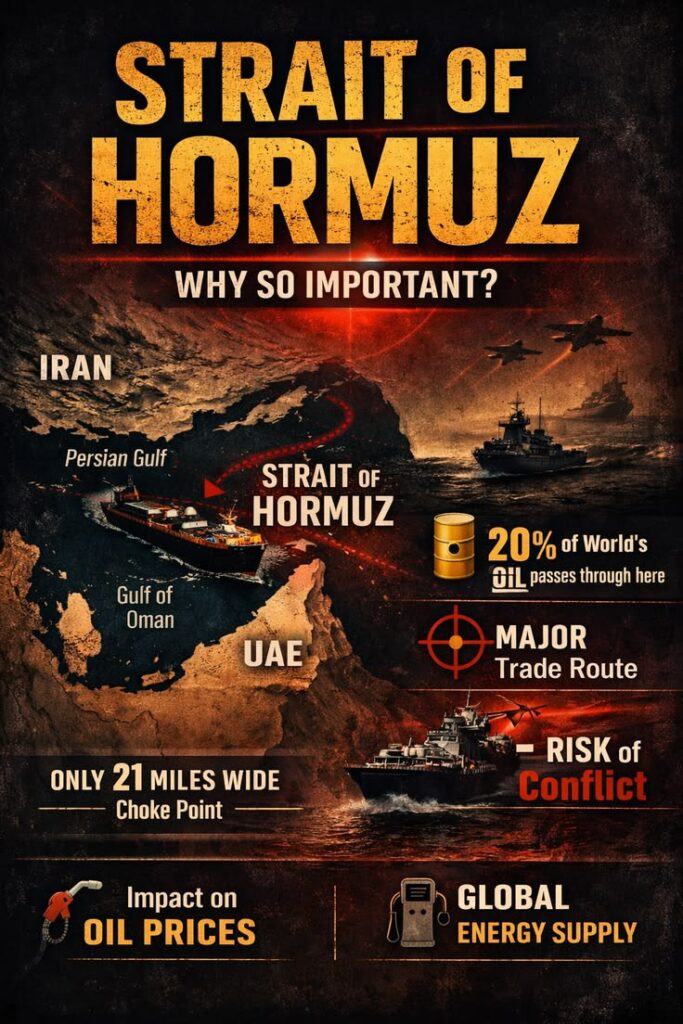
Table of Contents
The $4.11 Average: A National Reality Check gas price surge 2026
As of today, Monday, April 6, 2026, the national average for a gallon of regular gas has officially climbed to $4.11. To put that in perspective, just a few weeks ago, we were coasting along in the low $3.00s.
If you live in California, the situation is even more intense, with prices at many stations already crossing the $6.00 mark. Meanwhile, states like Oklahoma are still seeing the “cheap” gas at around $3.29, but even those numbers are rising daily.
Why the sudden jump?
It all traces back to February 28, 2026, when military strikes involving the U.S., Israel, and Iran began. In response, Iran did exactly what experts feared: they effectively shut down the Strait of Hormuz.
What is the Strait of Hormuz and Why Should You Care?
Think of the Strait of Hormuz as the world’s most important “windpipe.” It’s a narrow waterway between Oman and Iran that connects the Persian Gulf with the rest of the world.
Here is the “Big Stat” you need to know: 20% of the world’s total oil passes through that one tiny gap.
When that “windpipe” gets squeezed, the whole world gasps for air. Because tankers can’t get through safely, the supply of oil has dropped off a cliff. When there is less oil to go around, the price for what’s left goes up—and that is exactly what you are seeing at your local gas station.
The “Tuesday Deadline”: Trump vs. Iran
The tension reached a boiling point this past weekend. President Trump took to social media with an expletive-laden warning, telling Iran to “Open the Strait” or face “Hell.”
He has set a hard deadline for Tuesday, April 7, at 8:00 PM Eastern Time.
What happens if the deadline passes?
- The “Wait and See” Market: Oil traders are terrified. If a deal is made, prices might drop overnight.
- The “Escalation” Scenario: If the deadline passes without a reopening, many experts predict Brent Crude oil could blast past $150 a barrel, which could mean $5.00 or $6.00 national averages at the pump very soon.
It’s Not Just Your Car: The “Hidden” Costs of the Surge
One thing many people forget is that oil isn’t just for cars. It’s what moves everything. When gas prices surge, a “domino effect” happens across the U.S. economy.
1. The Grocery Store Shock
Everything you buy at the grocery store—from milk to toilet paper—got there on a truck. Those trucks run on diesel. When diesel prices double (which they nearly have), shipping companies pass those costs on to the stores, who then pass them on to you. Don’t be surprised if your weekly grocery bill goes up 10-15% this month.
2. Summer Travel and Airfare
Airlines are already feeling the pinch. Jet fuel prices have surged nearly 95% since the conflict began. If you were planning a summer vacation, you might notice “fuel surcharges” appearing on your tickets, or some budget airlines canceling flights altogether to save money.
3. The Delivery Fee Increase
Do you use DoorDash, Uber, or Amazon? Those delivery drivers are paying more for gas every day. Expect “service fees” to climb as these companies try to keep their drivers from quitting.
Is There Any Relief in Sight?
Right now, the U.S. government is leaning heavily on its Strategic Petroleum Reserve (SPR)—a massive “emergency piggy bank” of oil stored in underground salt caverns.
While the SPR can help keep things from becoming a total disaster for a few weeks, it isn’t a permanent fix. We need the ships to start moving through the Strait again for prices to truly stabilize.
What You Can Do Right Now
Since we can’t control global politics, we have to control our own spending. Here are a few “old school” tips that actually work during a gas crisis:
- Use “Gas Apps”: Apps like GasBuddy or Upside are essential right now. A station two blocks away might be 20 cents cheaper just because they haven’t updated their sign yet.
- Watch Your Speed: It sounds boring, but driving 65 mph instead of 75 mph can save you about 15% on fuel. When gas is $4.50, that’s real money.
- Combine Your Errands: Don’t go out three times a day. Make one “loop” to get the groceries, drop off the mail, and pick up the kids.
Frequently Asked Questions (FAQ)
1. Why is the Strait of Hormuz so important?
It is the main transit point for oil coming out of the Middle East. About 21 million barrels of oil pass through it every single day. If it’s closed, the world loses a fifth of its energy supply.
2. When will gas prices go back down?
Prices will likely stay high as long as the military conflict continues. If the “Tuesday Deadline” leads to a peaceful reopening, we could see relief within 7 to 10 days.
3. Is there a gas shortage in the U.S.?
Currently, there is plenty of gas, but it is very expensive to get. However, “panic buying” can create temporary shortages at local stations. There is no need to hoard gas in cans!
4. Does the President control gas prices?
Not directly. Gas prices are set by global supply and demand. However, the President’s foreign policy (like the Iran deadline) and decisions to release oil from reserves can influence how the market reacts.
5. How high will gas prices go in 2026?
If the Strait stays closed through May, some analysts warn we could see a national average of $5.25 per gallon.
Final Thoughts for the Week
The gas price surge of 2026 is a stressful reminder of how connected the world is. While the headlines about the Strait of Hormuz feel like a movie plot, the impact on our wallets is very real.
For now, the best thing you can do is stay informed, plan your trips carefully, and keep an eye on that Tuesday night deadline. Whether you’re a daily commuter or a business owner, we’re all in this “fuel boat” together. For live national updates, visit the AAA Gas Prices Dashboard.
Pingback: Tax Refund Warning 2026: Why Your IRS Payment is Shockingly Delayed Until June
Pingback: How to Save Money on Gas USA (2026 Guide): Smart Tips That Actually Work