
The idea of a tariff dividend is quickly becoming one of the most talked- about topics in American politics. In simple terms, it’s a plan to use money collected from tariffs — taxes on imported goods — and give part of it back to the public. Supporters say it’s a fair return for consumers who’ve carried the cost of trade for years. Critics call it a risky mix of economics and politics. Either way, the phrase has caught attention nationwide because it sounds like something people understand and remember — a kind of stimulus check built on tariff money rather than federal debt.
It was a gray Tuesday morning when the news broke. Standing in front of flags, former president Donald Trump spoke to cameras and promised what he called a “tariff dividend.” His pitch: most Americans could get about two thousand dollars, paid from money the government collects on imports.
Within minutes people were talking about “stimulus check 2025.” TV shows put the story on big banners. Radio hosts and social feeds filled up with questions — was this real, or just campaign talk?
“If it hits my bank account, I’ll believe it,” said Lisa Morales, 34, a single mom from Tampa who works two jobs. She remembers how quickly the pandemic checks showed up in 2020. “I could use it. Everybody could use it.”
In diners, barbershops, and group chats, the idea of a two-thousand dollar payment felt familiar. People remembered those pandemic checks that helped pay rent or cover bills. But this plan is different. Instead of borrowing money or raising a new tax, Trump’s team says the money would come from tariffs — taxes on imported goods.
Trump said the United States is collecting billions from countries that “take advantage” of American trade, and that money should go back to Americans. Supporters called it self-funding: tariffs raise revenue, the revenue is paid out as a dividend, and it doesn’t add to the debt.
Not everyone agreed. Economists warned that tariffs are basically taxes that fall on importers and, in many cases, consumers. If prices rise because of tariffs and then the government sends checks to offset that, some experts said, people are just being paid back for higher costs rather than getting extra help.
Still, for many households stretched thin by food and housing costs, the big idea was the check itself. “Is Trump sending checks to Americans again?” asked David Kim, a small store owner in Denver. For people like him, the name matters less than whether money actually arrives.
According to the U.S. Department of the Treasury’s official trade data, tariff dividend collections reached record levels in recent years, creating the foundation for Trump’s proposed “tariff dividend” funding model.
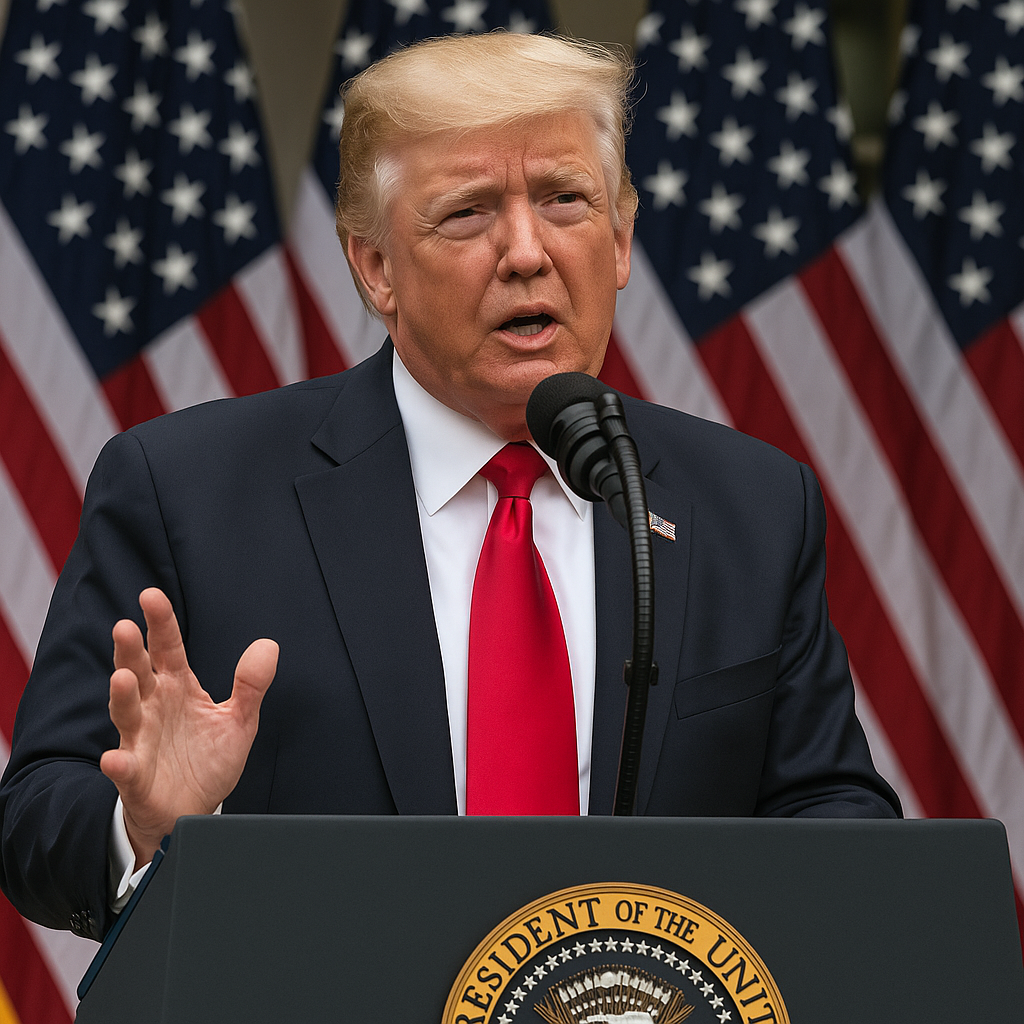
Table of Contents
A flashback to pandemic relief
There is a reason the idea landed so fast. During the pandemic, Washington sent out direct payments three times. Those checks changed how many people thought about government help — quick, visible, and personal. So when you hear about a new two-thousand dollar payment, it sparks the same hope.
Financial planners already reported clients asking whether they should “wait for the Trump check” before paying holiday bills. That worries planners because, so far, there is no law guaranteeing anything.
What the White House says so far
The administration calls this part of a broader plan focused on middle-income families and boosting U.S. manufacturing. The basic idea being talked about:
• People earning under one hundred thousand dollars (or couples under two hundred thousand) would qualify.
• Payments might arrive as direct deposits or as a tax credit on next year’s return.
• Wealthier people would get less or nothing.
Beyond that, details are thin. Treasury officials say timing and rollout depend on Congress and final legislation. But the idea caught on online fast — TikTok and other platforms filled with people joking and wondering when the money will show up.
The market and the math
A leaked Treasury estimate suggested tariffs could bring in about three hundred fifty billion dollars in 2025. If that money were split evenly, it could roughly pay two-thousand dollar checks to about one hundred seventy-five million adults. On paper that looks possible, but the real world complicates the numbers.
Critics point out the leaks don’t account for administrative costs, legal fights, or the economic effects of higher tariffs. Supporters argue the plan is fair — foreign producers pay the tariffs, and Americans get the benefit back. That message appeals in towns hit by factory closures and layoffs.
But many economists note a simple problem: tariffs raise import prices, and businesses often pass those costs to consumers. If prices rise enough, a two-thousand dollar check might not buy as much as people hope.
Who might qualify
So far, the framework suggests singles under one hundred thousand dollars and joint filers under two hundred thousand would be eligible. Dependents might get smaller amounts. It’s not clear yet whether retirees or people without taxable income would be included.
How the program would be administered — direct deposit, mailed checks, or tax credits — is still up in the air. And it all depends on Congress passing a bill, which is a big if.
What lawmakers are saying
As expected, Congress split along party lines. Many Republicans praised the plan as bold and self-funded. Many Democrats called it a political stunt that masks real policy choices.
Some lawmakers said they liked the idea of putting money in people’s pockets. Others warned that calling it a “tariff dividend” hides the fact that consumers often pay the tariff costs in the first place. That debate — over what to call it and who pays — will shape whether the idea moves forward.
Experts weigh in
Economists are cautious. Studies show tariffs can collect large sums, but they also can disrupt trade, invite retaliation, and raise prices for American consumers. One estimate put total tariff revenue recently near one hundred ninety billion dollars; even with higher rates, stretching that to fund two-thousand dollar checks for hundreds of millions of people is tight.
Some experts say the policy’s real power is psychological. People remember a direct deposit more than a policy speech. The expectation of money can change behavior — people might spend more if they believe a check is coming, giving a short economic boost even before any money arrives.
What people on the ground think
Reactions vary. Some are skeptical, like the truck driver who said, “Two grand helps, but I ain’t counting it until it’s in my account.” Others, like a college student, were hopeful: “If it happens, great. If not, at least people are talking about how tight things are.”
In small towns and big cities, the same mix shows up: cautious hope and weary doubt. For many families, two thousand dollars would mean breathing room — a month or two of caught-up bills, medicine, or groceries.
Comparisons to past stimulus
People keep comparing this to the pandemic checks, which were fast and large. The new plan would be different in one key way: supporters say it wouldn’t borrow money; it would use tariff revenue. Critics say that’s mostly branding — whether you call it a check, a rebate, or a dividend, it still redistributes money.
Behind the politics
Campaign advisers know the emotional pull of a direct payment. “People remember a deposit,” one former official said. The phrasing matters too: “tariff dividend” tested well in focus groups because it sounds earned, like a payout instead of charity.
Political timing is obvious. The idea surfaced as campaigns warmed up. That doesn’t make it purely political, but timing plays a role in how the message spreads and lands.
The limits and the risks
Even if tariffs bring big revenue, the math is tight once you account for distribution costs and price effects. If tariffs push prices higher, customers might be worse off even with a check. And if the checks never arrive, public trust can erode.
There’s also a risk that talk of checks changes behavior in fragile ways. People who live paycheck to paycheck may delay payments or make plans based on hope — and that can be harmful if the money never comes.
What happens next
For now there’s no law, no signed bill, and no set delivery date. Negotiations in Congress will take time. Treasury officials are reportedly studying how to distribute money if the plan moves forward, but that’s a long road.
Financial advisers caution people not to budget around promises. If the checks happen, great. If not, the promises will be another political headline.
Final picture: hope mixed with caution
At its core, this story is about something simple: people want relief they can feel in their daily lives. Big-picture economics and political strategy matter, but when someone says “two thousand dollars,” most people hear “rent,” “medicine,” or “groceries.”
Hope is powerful, and promises catch attention. But policy needs follow-through. If the checks arrive, they will change many lives, at least briefly. If they don’t, the talk may only deepen distrust.
Either way, the conversation shows how hungry people are for clear, visible help. For now, the tariff dividend is a powerful idea — part policy, part promise — and the country is watching to see whether it becomes reality.